Sep 30, 2026Sourcing Guides
Freight Options from China: Air, Sea, Rail and Express Compared
How each freight mode from China works, what it suits and what to confirm before booking - plus the Incoterms and consolidation questions to settle in writing.

Air, sea, rail and express - every importer eventually asks which freight mode is right, and the honest answer is that it depends on four numbers: weight, volume, urgency and budget. This article explains how each mode from China actually works, what it suits, and the questions to settle before you book - so freight becomes a planned line item instead of a surprise.
Sea freight: the default for volume
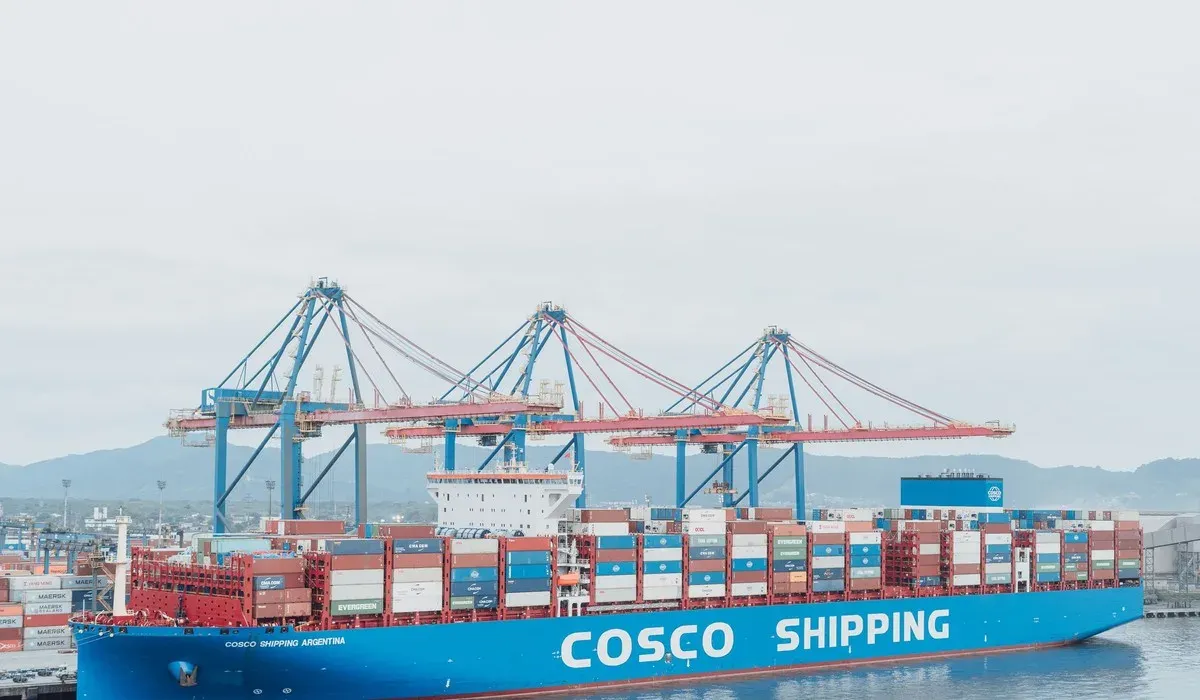
Sea freight is the workhorse for most importers: full container (FCL) when you fill one, consolidated (LCL) when several suppliers share the space. It is the cheapest per unit for heavy or bulky goods, but it moves on schedules - plan around sailing dates, port cut-offs and the time goods spend in consolidation before the container is stuffed.
Air freight: speed at a price
Air freight makes sense when stock-outs cost more than the freight - launches, urgent refills, high-value light goods. Charges are driven by weight and volumetric weight, so light bulky goods can cost far more than their size suggests. Confirm chargeable weight in writing before booking.
Rail and express: the middle paths
China-Europe rail sits between sea and air on time and cost. International express (door-to-door courier) is the fastest and simplest for samples and small parcels, with paperwork handled largely by the carrier - ideal for sample rounds, not for volume.
The questions to settle before booking
Whichever mode you choose, confirm in writing: Incoterms (who is responsible for which leg), who clears export and import customs, insurance, and the documents your destination market requires. When several suppliers are involved, decide who consolidates - one coordinated shipment beats several unsynchronized ones.
Frequently asked questions
Should the factory book freight or should I?
Both are common. Factories often quote EXW or FOB; freight forwarders handle the rest. What matters is that responsibilities at each handover point are written, not assumed.
Is the cheapest quote the best?
Compare the full landed picture - charges at destination, handling fees and document costs can hide in a low headline rate. Ask for an itemized quotation.
When does consolidation pay off?
When several low-volume orders would each pay minimum charges separately. It needs planning time, so align production schedules before booking.
Migibio Sourcing coordinates consolidation and export documentation from multiple Chinese suppliers - tell us your product mix and destination and we will put the plan together.